History
The Salt Lake County Stormwater Coalition was established in 1994 as a collaborative partnership among Salt Lake County municipalities, public agencies, and stormwater professionals to address the growing challenges of urban stormwater management. The coalition was formed in response to federal and state requirements under the Clean Water Act that require municipal separate storm sewer systems (MS4s) to reduce pollutants entering local waterways. Recognizing that stormwater does not stop at city boundaries, communities across Salt Lake County chose to work together to develop consistent public education, outreach, and pollution prevention programs that would benefit the entire Jordan River watershed.
Since its formation, the coalition has grown into one of Utah's longest-running and most successful regional stormwater education partnerships. Today, it represents cities, Salt Lake County, and other public agencies that share the common goal of protecting local creeks, rivers, wetlands, groundwater, and ultimately the Great Salt Lake. By pooling financial resources, technical expertise, and communication efforts, coalition members are able to provide high-quality educational materials, multimedia campaigns, classroom programs, and community outreach that would be difficult for individual municipalities to accomplish on their own.
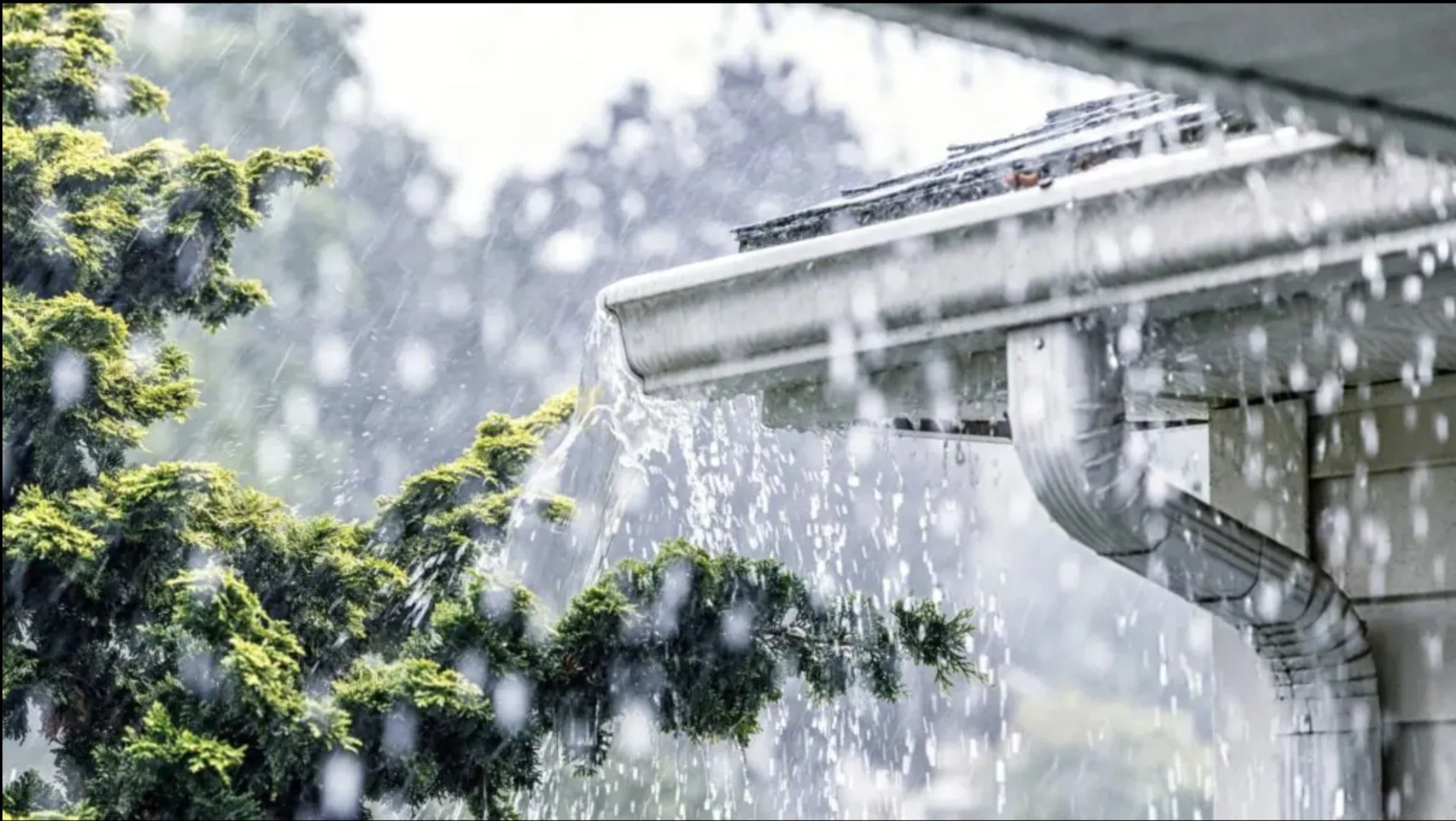
Throughout its history, the coalition has focused on helping residents understand a simple but important concept: stormwater is untreated. Unlike wastewater from homes and businesses, runoff from rainstorms and snowmelt flows directly into neighborhood storm drains, which discharge to local streams, the Jordan River, and eventually the Great Salt Lake with little or no treatment. This message has become the foundation of the coalition's award-winning public education efforts, including the "We All Live Downstream" campaign, which reminds residents that everyday actions—such as picking up pet waste, preventing litter, maintaining vehicles, using fertilizers responsibly, and keeping leaves and yard debris out of gutters—can have a significant impact on water quality.
As environmental priorities have evolved, so has the coalition's work. Early outreach focused heavily on basic storm drain awareness and household pollution prevention. More recently, coalition initiatives have expanded to address emerging water-quality concerns, including bacteria contamination in the Jordan River watershed, harmful algal blooms, watershed restoration, water conservation, and the increasing impacts of drought and extreme weather. The coalition also provides educational resources for schools, contractors, businesses, municipal employees, and community organizations, helping each audience understand its role in protecting local waterways.
Education remains the coalition's most effective tool. Through partnerships with local governments, schools, universities, environmental organizations, and community volunteers, the coalition reaches thousands of residents each year through classroom presentations, social media, municipal newsletters, public events, television and digital advertising, and hands-on watershed activities. Programs such as Adopt-a-Storm-Drain, stormwater science education, and community cleanup events encourage residents to become active stewards of their neighborhoods and local waterways.
Today, the Salt Lake County Stormwater Coalition continues to serve as a model of regional cooperation. By combining science-based education with practical pollution prevention strategies, the coalition helps communities meet regulatory requirements while fostering a culture of environmental stewardship. As Salt Lake County continues to grow and climate conditions become more variable, the coalition remains committed to protecting water quality, reducing stormwater pollution, and ensuring that future generations enjoy cleaner streams, healthier watersheds, and a more resilient environment.
