Water Quality and Conservation
Water is one of Utah’s most precious resources, and this year’s conditions in the Salt Lake Valley are a reminder that we all play a role in protecting it. The 2025–26 winter brought record-breaking warm and dry conditions, leaving snowpack levels below average and soils exceptionally dry heading into spring and summer. Because mountain snowpack supplies much of our drinking water, irrigation water, and streamflow, conserving water now is especially important. Dry weather worsens stormwater pollution because pollutants such as pet waste, trash, vehicle fluids, fertilizers, and leaves build up on streets and sidewalks until the next storm washes them directly into local waterways.

Stormwater is not treated before it enters rivers, streams, and the Great Salt Lake. Water flowing into storm drains travels directly to local waterways, carrying pollutants with it along the way. In Salt Lake County, stormwater runoff is one of the major pathways for bacteria such as E. coli to reach the Jordan River watershed. Residents can make a big difference by scooping pet waste, keeping trash and yard debris out of gutters, fixing vehicle leaks, sweeping driveways instead of hosing them down, and using fertilizers sparingly. Learn more about common pollutants and simple prevention steps on our pages about Pet Waste and Stormwater Pollution Prevention, Yard Care and Stormwater Pollution Prevention, and E. coli and Water Quality.

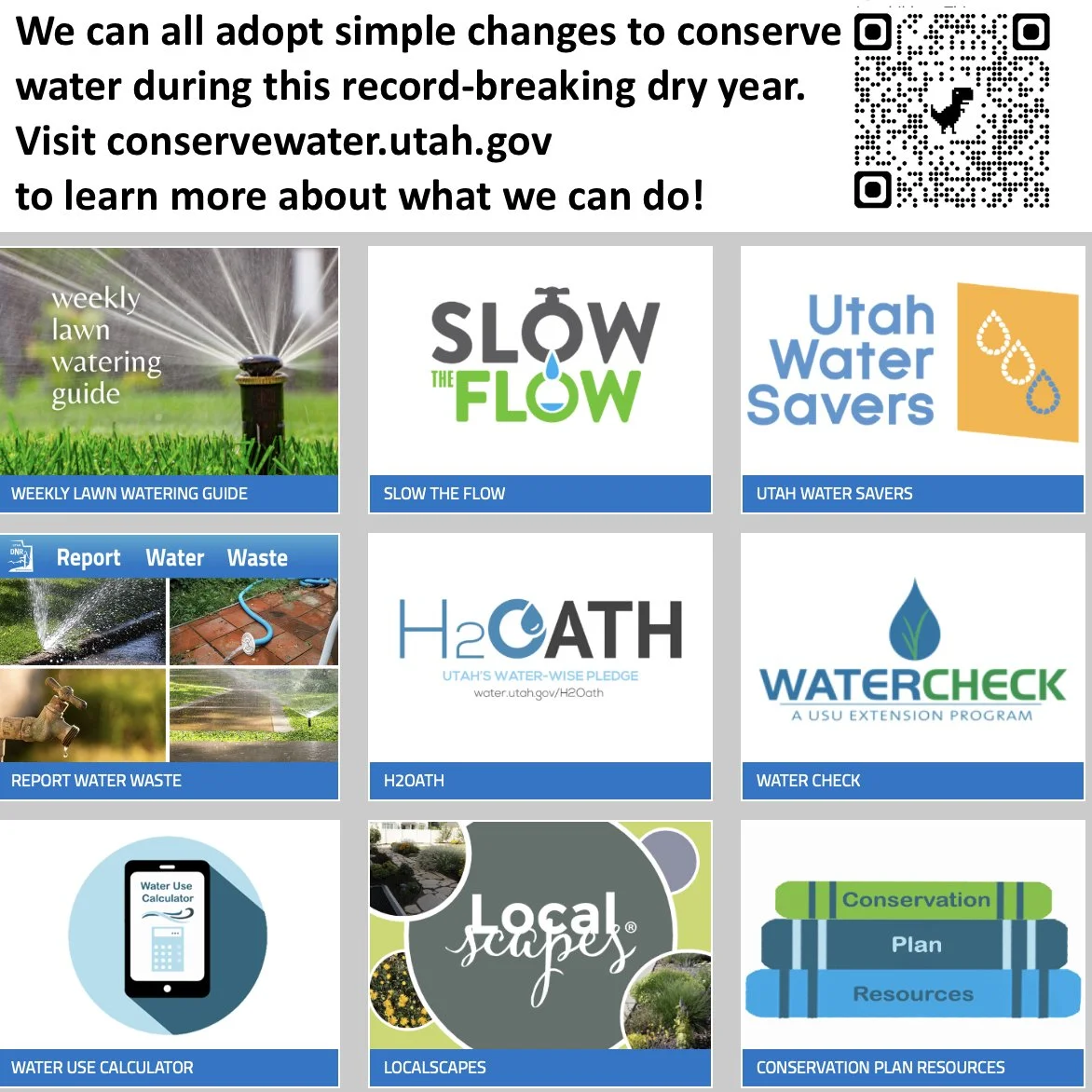
Water conservation and water quality protection go hand in hand. Overwatering lawns and landscapes wastes valuable water and also increases runoff that carries pollutants into storm drains. Watering during cooler hours, repairing sprinkler leaks, planting drought-tolerant landscaping, and following Utah’s weekly watering recommendations—can significantly reduce both water waste and stormwater pollution.
Utah residents can find updated lawn watering guidance and conservation resources through Conserve Water Utah’s Weekly Lawn Watering Guide and additional statewide conservation information through Conserve Water Utah. Salt Lake County residents can also explore our SLCo Residents Resource Page for local tips and educational materials.

The Salt Lake County Stormwater Coalition believes that “We All Live Downstream,” meaning every action we take on our property and in our neighborhoods affects the health of our shared waterways. Whether you are watering fewer times per week and fewer minutes per cycle, removing lawn, xeriscaping or planting native drought resistant plants or installing a rain garden, cleaning up after pets, reducing fertilizer use, or helping keep storm drains clear of litter and leaves, your efforts matter. Together, Salt Lake County residents, businesses, educators, and municipalities can help protect water quality, support healthier communities, and preserve Utah’s water resources for future generations.